Table Of Content
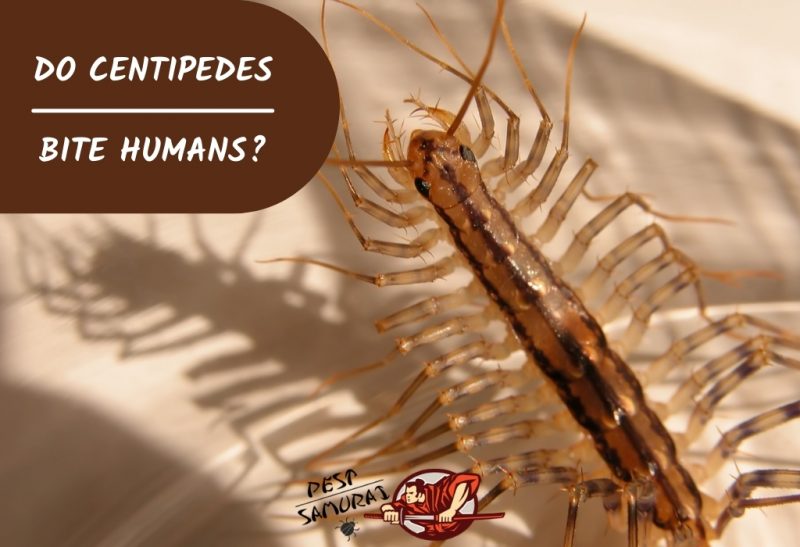
They undergo four post-larval instars before reaching maturity. It has 15 pairs of legs, the last pair nearly twice the length of the body on adult females. The centipede goes through six larval molts and four adult molts before reaching maturity.
Dig Deeper on House Centipedes
Remove piles of leaves and grass clippings, logs, stones and rocks on your property. Provide adequate ventilation in basements, attics and crawl spaces. Seal holes, cracks and gaps that enable outdoor centipedes to get inside a home.
Warning: Biting Centipedes Are Invading Homes In Canada To Lay Hundreds Of Eggs - MTL Blog
Warning: Biting Centipedes Are Invading Homes In Canada To Lay Hundreds Of Eggs.
Posted: Wed, 27 Mar 2019 07:00:00 GMT [source]
What Attracts House Centipedes?
The symptoms of centipede stings vary depending on the degree of allergic reaction and the size of the centipede. Typically, bite victims have severe pain, swelling and redness at the site of the bite, with symptoms usually lasting less than 48 hours. Symptoms for those more sensitive to the venom’s effects may also include headache, chest pain, heart tremors, nausea and vomiting. Centipedes use a pair of hollow legs, adapted with claws, to bite into the skin. When a centipede bites (as opposed to stings), it injects venom into victims that is stored in internal glands. Although centipede bites may be painful, they are rarely fatal.
There are bugs in my bathroom sink with many legs
If house centipedes are seen frequently, this indicates that some prey arthropod is in abundance, and may signify a greater problem than the presence of the centipedes (Figure 3). House centipedes are common inhabitants of homes and other buildings. While they are fast and have long legs, which may frighten some people, they are harmless.
Fortunately, because they’re nocturnal, you’ll rarely see them. If you’re someone who can’t stand the sight of worms or cockroaches, or if you have arachnophobia, chances are you won’t appreciate having house centipedes around you, either. House centipedes are common household insects known for their many legs that help them scurry past you in the blink of an eye. Although house centipedes don’t pose a threat to humans and don’t typically harm infrastructure, seeing them in your home can be alarming. Keep in mind that house centipede bites are uncommon and only occur when the centipede feels threatened. They are generally not considered a danger to humans and mostly help keep other pest populations in check.
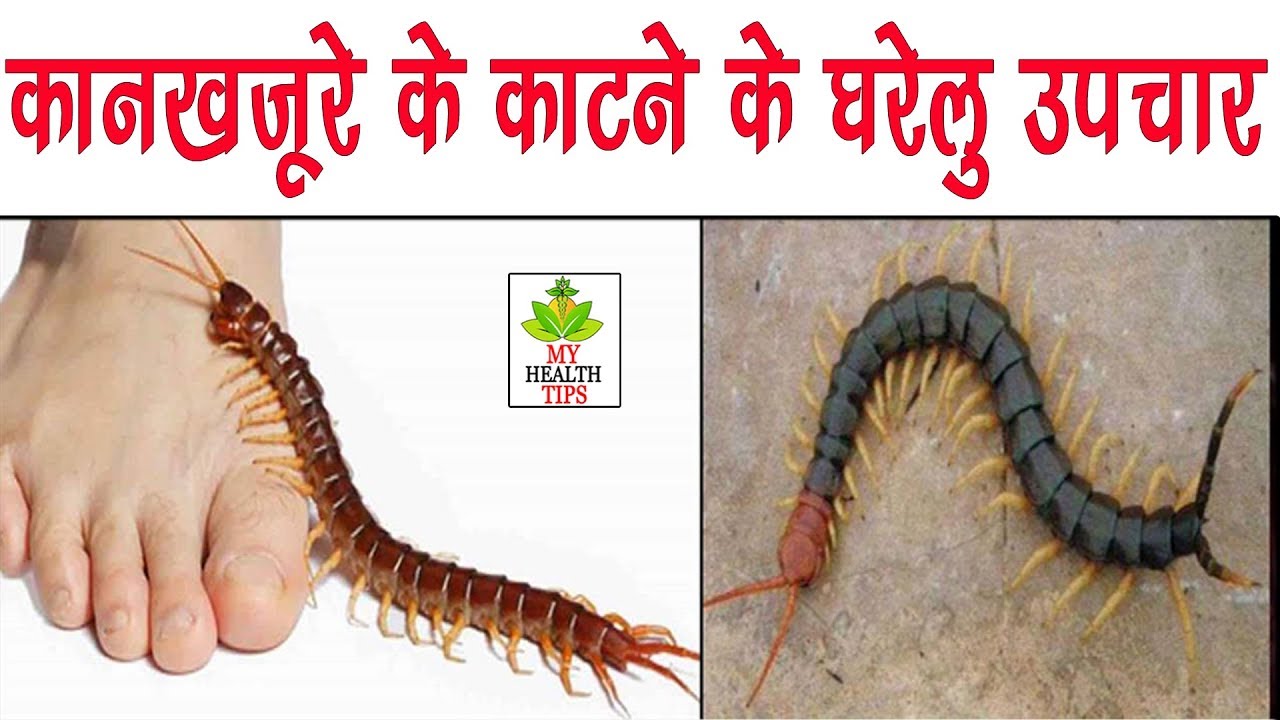
House Centipedes can bite humans, but it's very rare as they usually avoid interactions. Centipedes can have anywhere from 30 to 350 “feet.” They are long and thin and have many body segments. These forcipules are equipped with sharp fangs, which inject venom into the centipede’s prey.
How to Get Rid of House Centipedes
Here are some things you can do if you are bitten by a house centipede. House centipedes can actually be beneficial as they prey on other common household pests like spiders, termites, bed bugs, and cockroaches. However, if their presence is unsettling to you, or if you have a severe infestation, you may consider taking preventive measures. Unlike moths, they won’t destroy clothing or furniture, and unlike ants, they won’t wreak havoc in your pantry. While their cousins, millipedes, are herbivores that feed on wood, the house centipede is a carnivore that feasts on other insects. They use their jaws to inject poison into prey, but it’s very unlikely for one to bite a human unless it was being handled roughly.
As generalist carnivores, they will attack any soft-bodied creature they feel capable of killing and eating. House centipedes are not only unsettling but can also reproduce quickly and turn into a challenging infestation. In this guide, I’ll help you identify these pests and discuss a range of natural and chemical solutions to defeat them. They do not instantly change direction when light is suddenly shone at them, but will retreat to a darker hiding spot. Meanwhile, venomous insects will inject their poison into the bloodstream.
Centipede bites to blame for two patients admitted to Longreach Hospital in one night - ABC News
Centipede bites to blame for two patients admitted to Longreach Hospital in one night.
Posted: Thu, 24 Sep 2020 07:00:00 GMT [source]
Not only can they provide recommendations regarding treatment, but they can also provide information to help you reduce the likelihood of secondary infection from improper wound care. To avoid bites while outdoors, be careful when reaching into woodpiles or under stones. The pests lurk in dark, hidden areas and may bite people or pets if they appear to pose a threat.
Keeping your basement neat also helps prevent the collection of damp spots around boxes and other items, which could attract these creatures. House centipedes are fascinating creatures often found in homes and other indoor spaces. Although their appearance can be quite alarming, especially for those who are not fond of insects and other creepy crawlies, it is essential to determine if they pose any threat to us. Pain relievers and anti-itch medications may help soothe the discomfort of a centipede bite. The effects of the bite will usually disappear within a few hours to a few days.
For smaller insects like silverfish (here’s a guide on the difference) and termites, the venom is super potent. It can kill bugs in only a few minutes, giving the centipede plenty of freedom to eat it without much struggle. So, use their presence as an indicator of other potential infestations happening under your nose! You might be dealing with termites, roaches, or a host of other household pests.
You may find them under your sink or in the bathtub occasionally, as those spots combine the damp and dark conditions they love so much. They tend to be fairly dormant in the winter (they prefer temperate climates) and begin to be more active in spring. Once temperatures begin to get colder in autumn they may want to find an indoor hiding place.
Bug-free homes aren’t going to attract centipedes over the long run. Centipedes are particularly attracted to warm and humid environments. So, if you have a damp basement or live in a generally high-humidity climate, don’t be surprised to come across these creatures at some point. Once they have their meal lassoed tight, they can use their pincers to bite and consume the prey.
If you do not have any other insects in your home, they will not stay there for long. To keep house centipedes from entering your home, make sure your home is free from all pests. Standard prevention applies here as it can help you keep all insects and centipedes from getting inside. Make sure your home is sealed, so there are no cracks to let insects in. Keep food and drinks put away and clean up any spills as they occur, so there is no food for other insects. As long as you do not have insects inside your home, the house centipedes will not be in your home.


No comments:
Post a Comment